How to Pack a First-Aid Kit for Trips (what you really need)
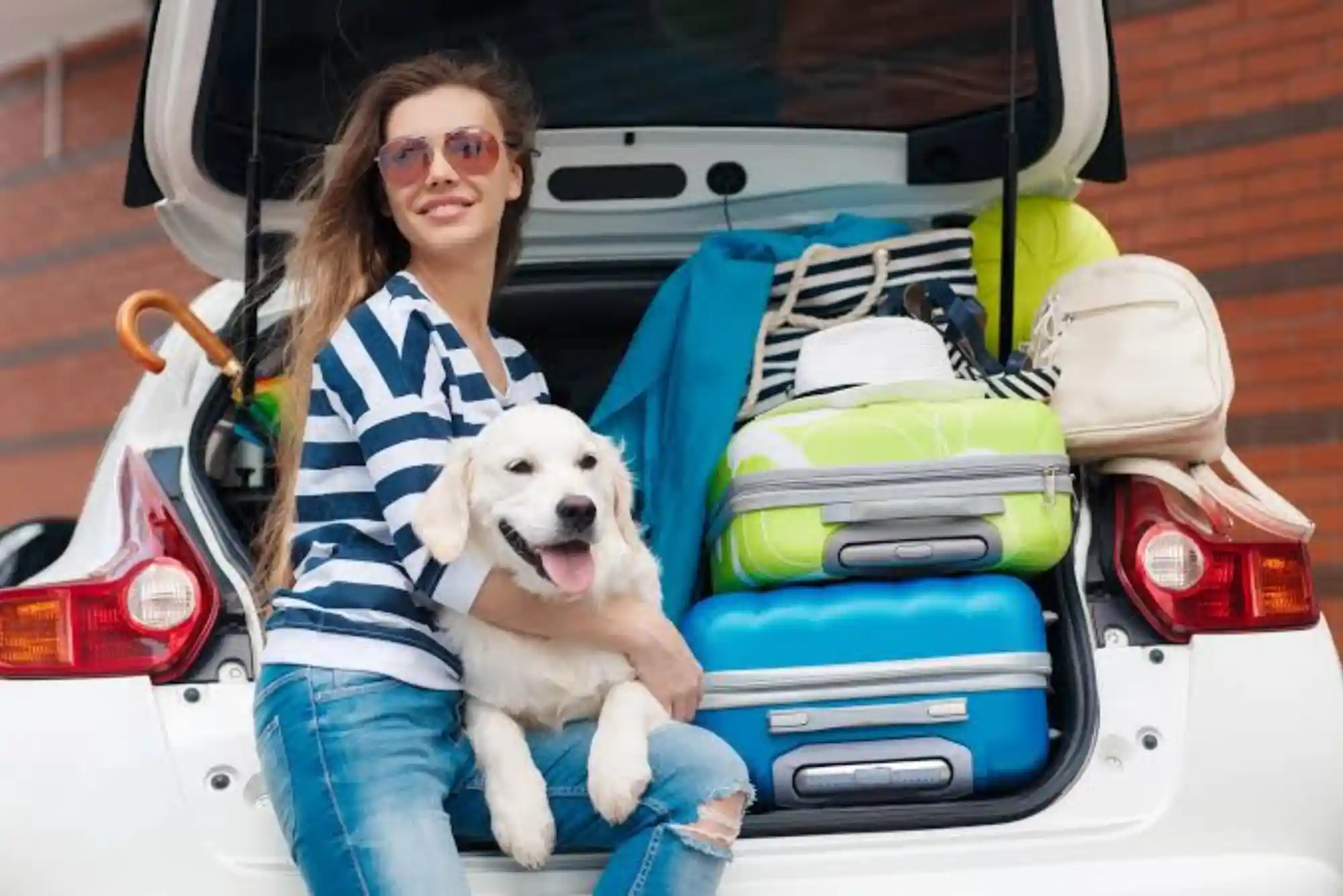
Traveling is exciting, but accidents can happen anywhere. Knowing how to pack a first-aid kit for trips (what you really need) ensures you are prepared for minor injuries, sudden illnesses, or unexpected emergencies. A well-thought-out kit can save time, stress, and even lives. This guide will show you how to pack efficiently without overloading your bag.
Why a First-Aid Kit Is Essential for Travel
Even short trips can pose unexpected risks. Having a first-aid kit allows you to handle minor injuries independently. Cuts, scrapes, insect bites, and headaches are common travel nuisances. Without proper supplies, these small problems can quickly disrupt your plans.
A compact kit also provides peace of mind. When you travel with children, elderly family members, or anyone with health conditions, a first-aid kit is not optional — it is necessary.
Choosing the Right Container
Compact vs. Full-Sized Kits
Your travel style determines the type of container you need. Backpackers or hikers prefer small, lightweight kits. Car travelers can afford larger kits with more supplies. The container should be durable, water-resistant, and easy to access.
Organizing for Efficiency
Use compartments or ziplock bags to separate items by category. For example, keep bandages in one section, medications in another, and tools like tweezers or scissors in a third. Organized kits prevent wasted time during emergencies.
Core Medical Supplies You Really Need
Basic Wound Care
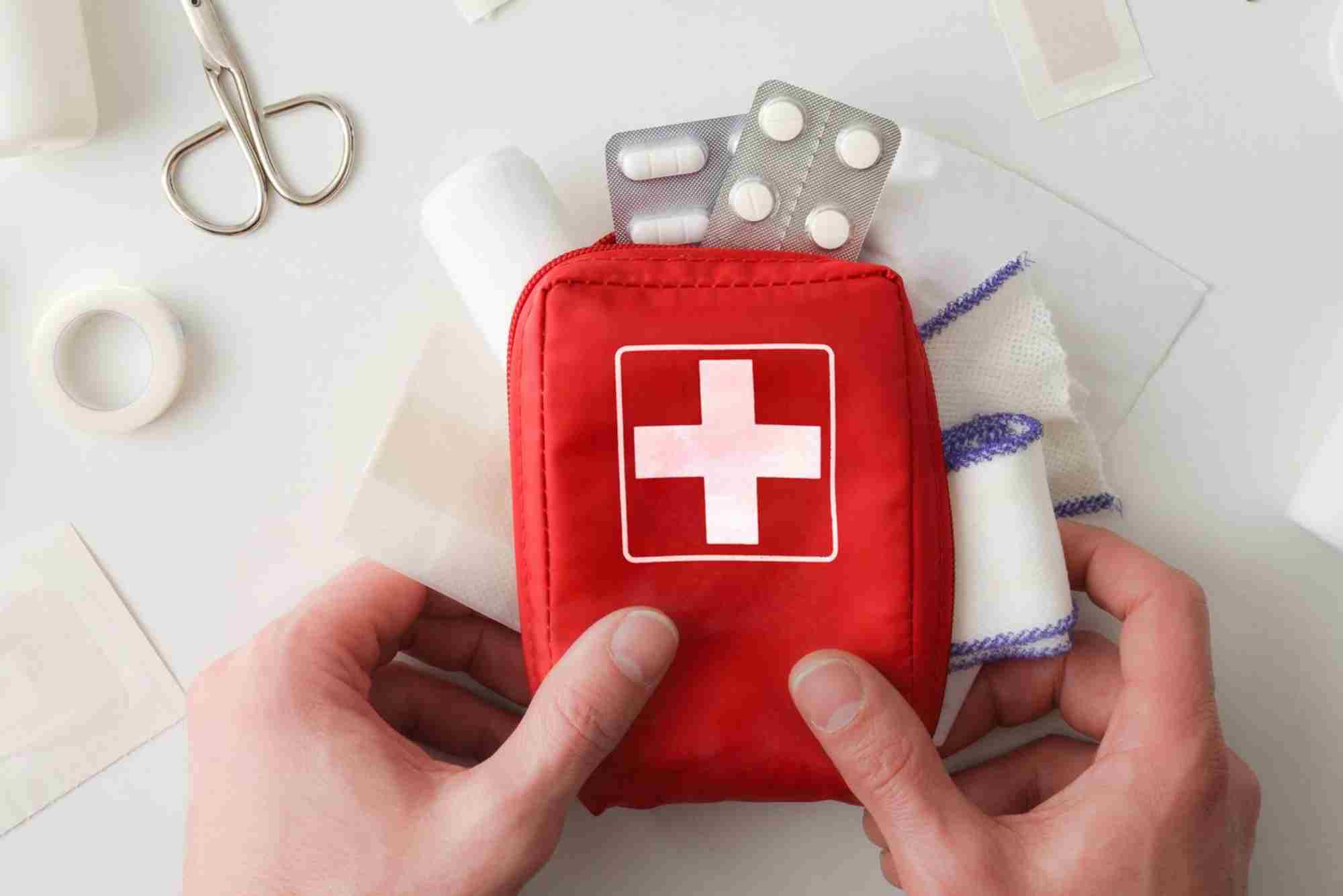
Bandages, gauze pads, antiseptic wipes, and adhesive tape are essentials. They help treat cuts, scrapes, or blisters quickly. Including antibiotic ointment is recommended to prevent infections.

Medications
Pain relief like acetaminophen or ibuprofen, antihistamines for allergies, and anti-diarrheal medicine are travel must-haves. Include any prescription medications and a copy of your prescriptions.
Tools and Accessories
Scissors, tweezers, safety pins, gloves, and a digital thermometer should be part of your kit. These tools assist in treating injuries and checking for fevers or other symptoms.
Emergency Items
Include a CPR face shield, instant cold packs, and an emergency blanket. First-Aid These items are useful for serious situations where professional help may take time to arrive.
Personalizing Your First-Aid Kit
Health Conditions
If you or a family member has chronic conditions, ensure relevant medications and supplies are included. For example, asthma inhalers, insulin, or epinephrine auto-injectors are non-negotiable.
Travel Destination Considerations
Research the area you are visiting. Hot climates may require extra sunburn relief, while mosquito-prone regions need insect repellent and bite treatment. Cold environments may require frostbite treatment or heat packs.
Duration of Travel
Longer trips require more supplies. For a weekend trip, a smaller kit is enough, but for weeks-long journeys, replenish items like bandages and over-the-counter medications.
Packing Tips for Maximum Efficiency
Lightweight but Comprehensive
Avoid packing unnecessary items. Focus on essentials, balancing weight and preparedness. Multi-purpose tools save space. For example, a single antiseptic wipe can clean cuts, scrapes, and hands.
Waterproofing Your Kit
Use resealable plastic bags or waterproof containers to protect contents from rain, spills, or humidity. Moisture can ruin medications and compromise sterile items.
Accessibility
Keep the kit easily reachable in your bag. During emergencies, scrambling through layers of luggage wastes precious time. A top-pocket or dedicated pouch works best.
Maintaining Your First-Aid Kit
Check expiration dates of medications regularly. Replace used bandages, wipes, or ointments after each trip. Update your kit based on travel experiences and changing health needs.
Regular maintenance ensures your kit remains effective and ready whenever needed.
Knowing how to pack a first-aid kit for trips (what you really need) is an essential travel skill. With the right supplies, organization, and personal adjustments, you can handle emergencies confidently. Start building your kit today and travel with peace of mind.
Prepare your first-aid kit now and make every trip safer and stress-free.
FAQ
What should a basic first-aid kit include for trips?
A basic kit should have bandages, gauze, antiseptic wipes, adhesive tape, pain relievers, antihistamines, tweezers, scissors, gloves, and any personal medications.
How do I keep my first-aid kit organized for travel?
Use separate compartments or ziplock bags for bandages, medications, and tools. Label each section for quick access.
How often should I check my first-aid kit?
Check before every trip. Replace expired medications, used bandages, or damaged tools.
Can I carry prescription medications in a travel first-aid kit?
Yes. Include enough supply for your trip and a copy of the prescription. Keep them in original packaging when possible.
Should I adjust my first-aid kit for international travel?
Yes. Consider climate, common health risks, and available medical facilities. Include items like insect repellent, sunburn relief, or altitude sickness medication if needed.