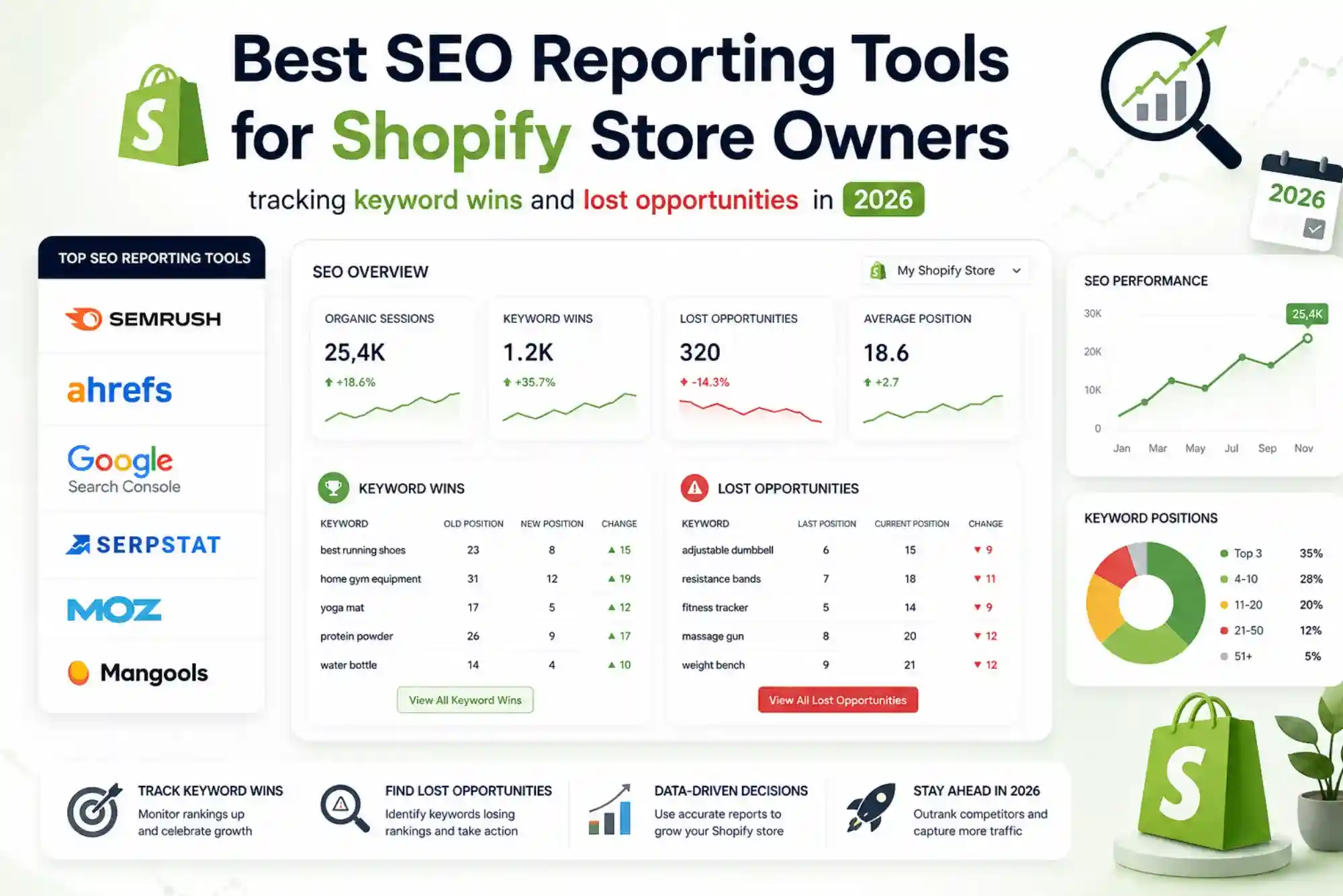
This guide explores the best SEO reporting tools for Shopify store owners, how they work, and how to choose the right solution to improve visibility, traffic, and conversions.
Why SEO Reporting Matters More for Shopify in 2026
Unlike traditional websites, Shopify stores rely heavily on product pages, category structures, and seasonal demand. This makes SEO performance more dynamic—and harder to track without proper tools.
Modern SEO reporting tools help store owners:
- Track keyword rankings across thousands of product pages
- Identify declining pages before traffic drops significantly
- Discover new keyword opportunities based on search intent
- Measure SEO performance tied to revenue, not just traffic
For businesses expanding internationally or targeting multiple markets, understanding search trends—similar to how travel research analyzes visa demand patterns like in
Mexico visa cost analysis—can reveal valuable keyword opportunities tied to user intent.
Key Features to Look for in SEO Reporting Tools
1. Keyword Tracking with Context
Basic rank tracking is no longer sufficient. Tools should show keyword intent, search volume trends, and SERP features like featured snippets or product listings.

2. Lost Opportunity Detection
One of the most valuable features in 2026 is the ability to detect when a keyword drops in ranking and why. This helps prevent revenue loss before it escalates.
3. Competitor Benchmarking
Understanding what competitors rank for—and what you don’t—is essential. Advanced tools highlight gaps in your content strategy.
4. Revenue Attribution
Modern reporting connects SEO performance to sales, helping store owners prioritize high-impact keywords.
Best SEO Reporting Tools for Shopify Store Owners
1. Comprehensive All-in-One Platforms
These tools combine keyword tracking, site audits, and reporting dashboards in one place.
They are ideal for store owners managing large inventories and multiple collections. Similar to how operational tools improve efficiency in areas like
time tracking for developers, these platforms streamline SEO workflows.
- Track thousands of keywords at scale
- Generate automated SEO reports
- Monitor competitor rankings in real-time
2. Keyword-Focused Reporting Tools
These tools specialize in tracking keyword performance and identifying growth opportunities.
- Highlight keywords moving up or down in rankings
- Provide keyword clustering for better content planning
- Offer predictive insights for future trends
For Shopify stores targeting global audiences, keyword segmentation becomes especially valuable—similar to how different visa categories require tailored research strategies.
3. Technical SEO Reporting Tools
Technical SEO remains critical for Shopify, especially for indexing, page speed, and structured data.
- Identify crawl errors and indexing issues
- Monitor site speed and performance metrics
- Analyze internal linking structures
Maintaining technical health is as important as content optimization. Just as detailed guides—like
UK visa cost breakdowns—require structured and accurate data, SEO performance depends on a well-organized site architecture.
4. AI-Powered Reporting Tools
AI-driven tools are redefining SEO reporting in 2026. They don’t just show data—they interpret it.
- Suggest optimization strategies automatically
- Identify content gaps with minimal manual effort
- Provide natural language insights for easier understanding
How to Track Keyword Wins Effectively
Tracking keyword wins is not just about seeing rankings increase. It involves understanding the impact on traffic and conversions.
Focus on High-Intent Keywords
Prioritize keywords that signal buying intent rather than just informational searches.
Monitor SERP Features
Winning a featured snippet or product listing can drive more traffic than ranking #1 organically.
Track Changes Over Time
Consistent monitoring helps identify trends and seasonal shifts in keyword performance.
Identifying and Recovering Lost Opportunities
Lost opportunities often go unnoticed until traffic drops significantly. SEO reporting tools help detect these issues early.
Common Causes of Ranking Drops
- Algorithm updates
- Increased competition
- Outdated content
- Technical SEO issues
Recovery Strategies
- Update and expand existing content
- Improve internal linking
- Optimize page speed and mobile performance
- Analyze competitor content for gaps
For Shopify store owners, maintaining content freshness is just as important as product updates. Even small changes can restore lost rankings quickly.
Integrating SEO Reporting into Your Shopify Workflow
SEO reporting should not be treated as a separate activity. It must be integrated into your daily operations.
Weekly Reporting
Track keyword performance and identify changes early.
Monthly Analysis
Review broader trends and adjust strategy accordingly.
Quarterly Strategy Updates
Refine your SEO approach based on long-term performance data.
By embedding reporting into your workflow, you ensure consistent growth and better decision-making.
Choosing the Right Tool for Your Store
The best SEO reporting tool depends on your store’s size, budget, and goals.
- Small stores: Focus on affordable tools with essential tracking features
- Growing stores: Choose tools with competitor analysis and automation
- Large stores: Invest in enterprise-level platforms with advanced reporting
Ultimately, the goal is to gain actionable insights—not just data.
Final Thoughts
SEO reporting tools have become indispensable for Shopify store owners in 2026. With the right tools, you can move beyond basic rankings and gain a deeper understanding of your search performance.
By tracking keyword wins, identifying lost opportunities, and acting on insights, you position your store for sustainable growth in an increasingly competitive ecommerce landscape.
The future of Shopify SEO belongs to those who not only collect data—but know how to use it effectively.
Related Reading: Best Keyword Research Tools for Shopify Store Owners targeting easier keywords with ranking potential in 2026