Buying opals and jewellery safely has become more important than ever, especially as more people shop online. The beauty of opals attracts collectors, investors, and jewellery lovers, but it also attracts unethical sellers. When you understand how to verify authenticity, evaluate sellers, and protect your investment, you can shop with confidence. This guide explores everything you need to know about buying opals and jewellery safely, whether you shop in person or from online stores.
Understanding the Risks When Buying Opals & Jewellery Safely
Many buyers assume jewellery sellers follow strict standards, but that is not always the case. When you shop without reliable knowledge, you risk buying treated stones, synthetics, mislabelled jewellery, or overpriced items. The market also includes sellers who hide essential information or use photos that do not match the actual item. Even experienced buyers sometimes struggle to judge quality from images alone.
As you learn more about buying opals and jewellery safely, you gain the ability to make informed decisions rather than relying on vague descriptions. This confidence helps you recognise genuine value and avoid disappointment.
What Makes Opals Unique and Why Safety Matters
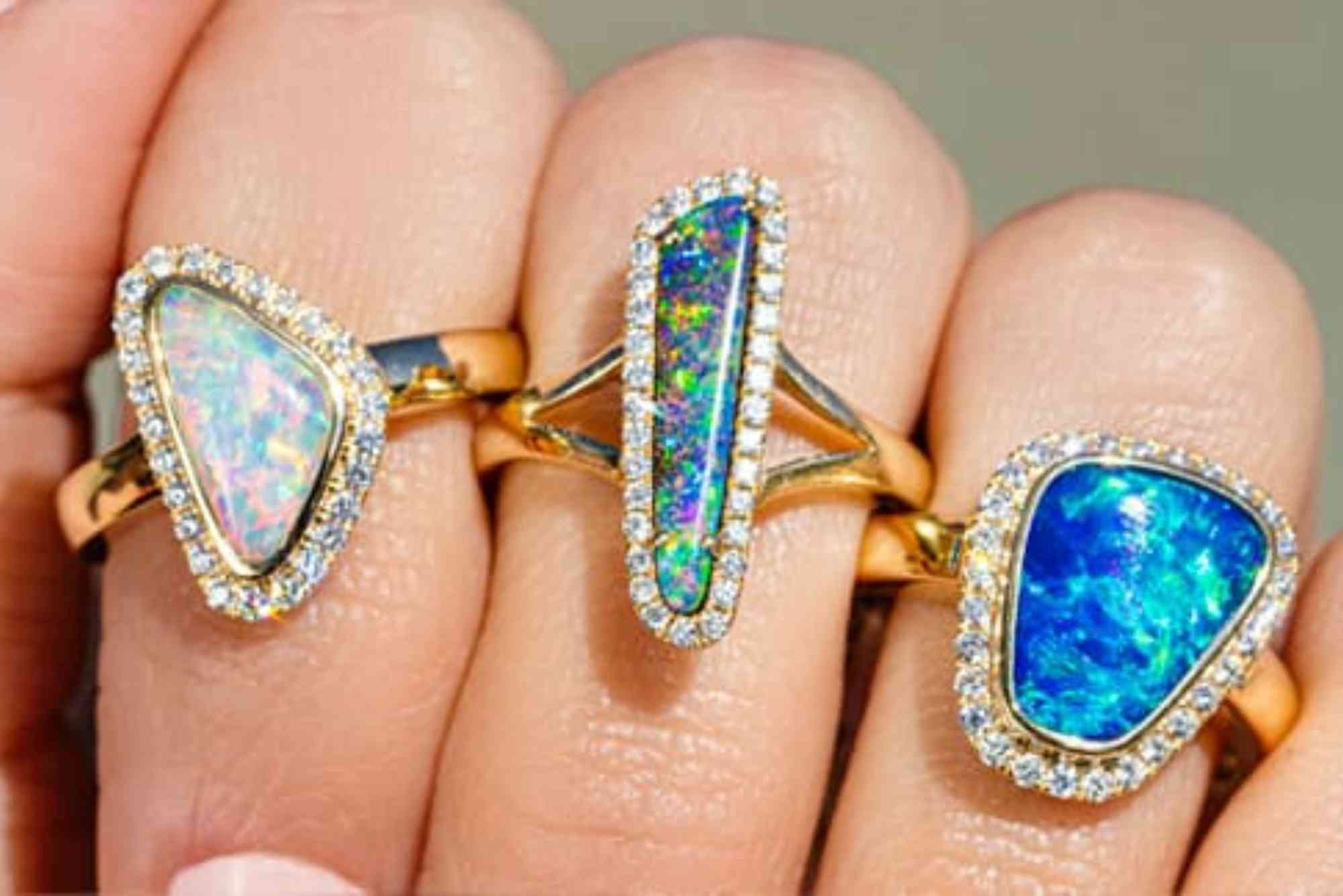
Opals differ from other gemstones because their structure contains tiny silica spheres that create a natural play-of-colour. This phenomenon makes opals incredibly beautiful, but also delicate. Because of this, quality varies widely. Safe buying practices help ensure you get a stone that will last and hold its value. Many buyers do not realise how often treatments or synthetics appear in the market. When a stone looks too perfect, it may be an imitation or a composite created to look like a solid opal.
Understanding these details allows you to identify real value when buying opals and jewellery safely.
Solid Opals vs. Doublets and Triplets
Solid opals consist of one natural piece. Doublets have two layers, and triplets have three. These layered stones still offer beauty, but they are worth less than solid opals. Sellers should always disclose the type. When you know this, you avoid paying solid-opal prices for a layered product.
Natural Opals vs. Synthetic or Enhanced Opals
Some opals imitate the colour play using synthetic materials. Others undergo treatments to enhance colour or stability. While these can still be lovely, buyers must know the difference to evaluate value correctly.
How to Choose a Trustworthy Seller When Buying Opals & Jewellery Safely
Your choice of seller matters as much as the stone itself. Safe buying begins with evaluating transparency, reputation, and communication. Reliable sellers welcome questions and provide clear documentation. They offer return policies that allow you to inspect your purchase without pressure. They do not rush you or discourage independent verification.
In contrast, unreliable sellers avoid details, limit communication, or provide inconsistent information. These warning signs indicate risk. When you prioritise safety, you learn to trust your instincts and walk away from sellers who create doubt.
Signs of a Reliable Seller
A trustworthy seller uses consistent photography and provides clear descriptions. They share the origin, type, and treatment information of every stone. They respond promptly and with expertise. They respect your questions because knowledgeable buyers are good buyers. A safe seller also explains how light, angles, and background affect opal colour, so you understand what you are seeing.
Signs of a Seller to Avoid
If a seller claims every stone is “perfect” or “investment grade,” proceed with caution. Overly vague wording often hides important information. Short return windows or refusal to offer returns is another warning. When sellers avoid certifications or ignore your requests for clarity, it is safer to move on.
Checking Gemstone Authenticity Before You Buy
Authenticity protects both your money and the long-term value of your jewellery. When buying opals and jewellery safely, you should always ask for clarity on the stone’s type and origin. For higher-value purchases, certificates or documentation help support authenticity.
When buying online, request photographs taken in natural light and different angles. These images reveal how the stone behaves in real conditions. A genuine opal shows depth, movement, and shifting colour rather than flat patterns. When possible, compare photos with videos, as motion can highlight structural differences between natural and synthetic materials.
Opal jewellery often comes with supporting paperwork, and although certificates do not guarantee perfection, they provide valuable insight. They show that the seller understands professional standards and supports safe selling practices.
Protecting Your Budget While Buying Opals & Jewellery Safely
Many buyers overspend when they fall in love with a particular piece. While emotion is part of jewellery buying, safety comes from balancing emotion with informed evaluation. Research typical price ranges for the type of opal you want. This helps you distinguish good value from unrealistic bargains or inflated pricing.
When something feels underpriced, it may hide issues such as treatment, cracks, or synthetic origins. When something seems excessively expensive, ask for justification. Safe buying requires understanding the connection between colour, pattern, size, origin, and craftsmanship.
The Role of Craftsmanship
Jewellery settings influence both beauty and durability. Poor craftsmanship exposes opals to damage. Well-made settings protect the stone and complement its natural play-of-colour. When buying opal jewellery safely, always examine how the stone is held in place. A secure, well-finished setting indicates care and professionalism.
Shopping Online vs. In-Person: Safe Practices for Both
Online shopping offers convenience and a large selection. In-person shopping offers the benefit of viewing stones directly. Each method requires different safety strategies. Online buyers must rely on photos, seller reputation, and return policies. In-person buyers should take time to observe the stone under different lighting conditions.
No matter how you shop, patience helps protect your investment. Rushing increases risk. Safe buying begins when you slow down, evaluate details, and ask questions until you feel completely satisfied.
Safe Online Buying Tips
Online buyers should read product descriptions carefully. They should also review customer feedback, focusing on detailed reviews rather than generic comments. High-quality sellers often provide videos or additional photos upon request. When you shop online, confirm the seller’s return policy before finalising your purchase.
Safe In-Store Buying Tips
In-person shopping allows you to view stones from multiple angles. When possible, examine the opal under natural light. Store lighting often creates flattering effects that hide imperfections. When you take the time to view the piece outside or near a window, you get a more accurate understanding of colour and clarity.
Caring for Opals After Purchase to Protect Your Investment
Safe buying extends beyond the moment of purchase. Proper care helps your opal jewellery last. Opals contain water, so extreme temperature changes can cause damage. Avoid exposing opals to chemicals or prolonged heat. Store them gently to prevent scratches.
When you follow the right care practices, your opals retain beauty for decades. Many owners underestimate the importance of care, Buying Opals & Jewellery Safely but this simple attention helps preserve both appearance and value.
Common Mistakes Buyers Make and How to Avoid Them
Many buyers fall into traps because they do not know what questions to ask. They trust photos that appear enhanced or edited. They assume labels like “natural opal” apply universally. They also forget that jewellery quality depends on both gemstone and craftsmanship. To avoid these mistakes, always take time to learn the details. This article provides a strong foundation, but buyers should continue exploring resources until they feel confident.
Sellers who value long-term relationships appreciate informed buyers. They prefer transparency because honest communication builds trust.
FAQ: Buying Opals & Jewellery Safely
How can I tell if an opal is real?
A real opal displays shifting colour when you tilt it. It shows depth rather than a flat, printed pattern. Natural light helps reveal authenticity. If you remain unsure, seek documentation or expert evaluation.
Are synthetic opals considered fake?
Synthetic opals are man-made but share a similar composition. They are not fake, but they are worth much less than natural stones. Sellers must disclose this clearly.
What is the best type of opal for jewellery?
Solid opals generally offer the highest value and durability. Doublets and triplets can still be beautiful but require careful wear. Choose based on your budget, lifestyle, and style preferences.
Is it safe to buy jewellery online?
Yes, it can be safe when you choose reputable sellers with strong reviews and transparent return policies. Always request additional images if needed.
Why do opal prices vary so much?
Prices depend on brightness, pattern, origin, craftsmanship, and treatment status. High-quality stones with vivid colour cost more because they are rarer.
Make Every Purchase Confidently and Safely
Buying opals and jewellery safely becomes easy when you understand the essential principles of authenticity, seller evaluation, and proper care. When you combine research with patience, you protect your investment and enjoy pieces that bring lifelong beauty.