Introduction
Traveling by train can be a comfortable way to explore new places with your pet. However, every railway operator has its own rules for animals. Understanding those rules before departure can prevent delays, denied boarding, and unnecessary stress. This guide to Pet-Friendly Train Travel: Amtrak, Eurostar, and UK Rail Policies Explained explains the main differences between major train systems. It also covers carrier requirements, assistance dogs, reservations, and practical preparation tips.
For many pet owners, trains offer an alternative to flying. Smaller pets can often travel close to their owners in an approved carrier. Assistance dogs generally receive different treatment because they support passengers with disabilities. Therefore, checking the exact policy for your journey is essential.
Why Pet-Friendly Train Travel Requires Planning
Pet-friendly train travel is not simply a matter of bringing your dog or cat to the station. Railway companies can have restrictions based on the animal’s size, the type of train, and the route. Some services allow pets only inside carriers. Others permit dogs to travel outside carriers under specific conditions.
International journeys can require additional planning. A train may cross several countries while operating under different railway rules. Consequently, travelers should check the rules of every operator involved in their journey.
The time of travel can also affect your experience. Busy trains may provide less space for a carrier. Likewise, long journeys require preparation for food, water, toilet breaks, and animal comfort.
Amtrak Pet Travel Rules Explained
Amtrak allows small dogs and cats on many routes, subject to specific conditions. Pets generally need to remain in a carrier during the journey. The carrier must fit beneath the passenger seat and meet Amtrak’s size requirements.

Amtrak also limits the number of pets permitted on many trains. Because of this restriction, booking early is particularly important when traveling with a pet.
The pet carrier counts toward the passenger’s carry-on allowance under Amtrak’s rules. The animal must remain inside the carrier while onboard. Pet owners should therefore select a carrier that provides enough ventilation while remaining within the required dimensions.
Amtrak’s pet policy applies differently depending on the type of service. Pet travel is generally available on eligible trips that meet the company’s conditions. However, pets are not accepted on every train or service.
Can Dogs Travel Outside a Carrier on Amtrak?
For ordinary pet travel, Amtrak generally requires eligible pets to remain inside an appropriate carrier. This means larger dogs usually cannot simply sit beside their owners throughout a regular passenger journey.
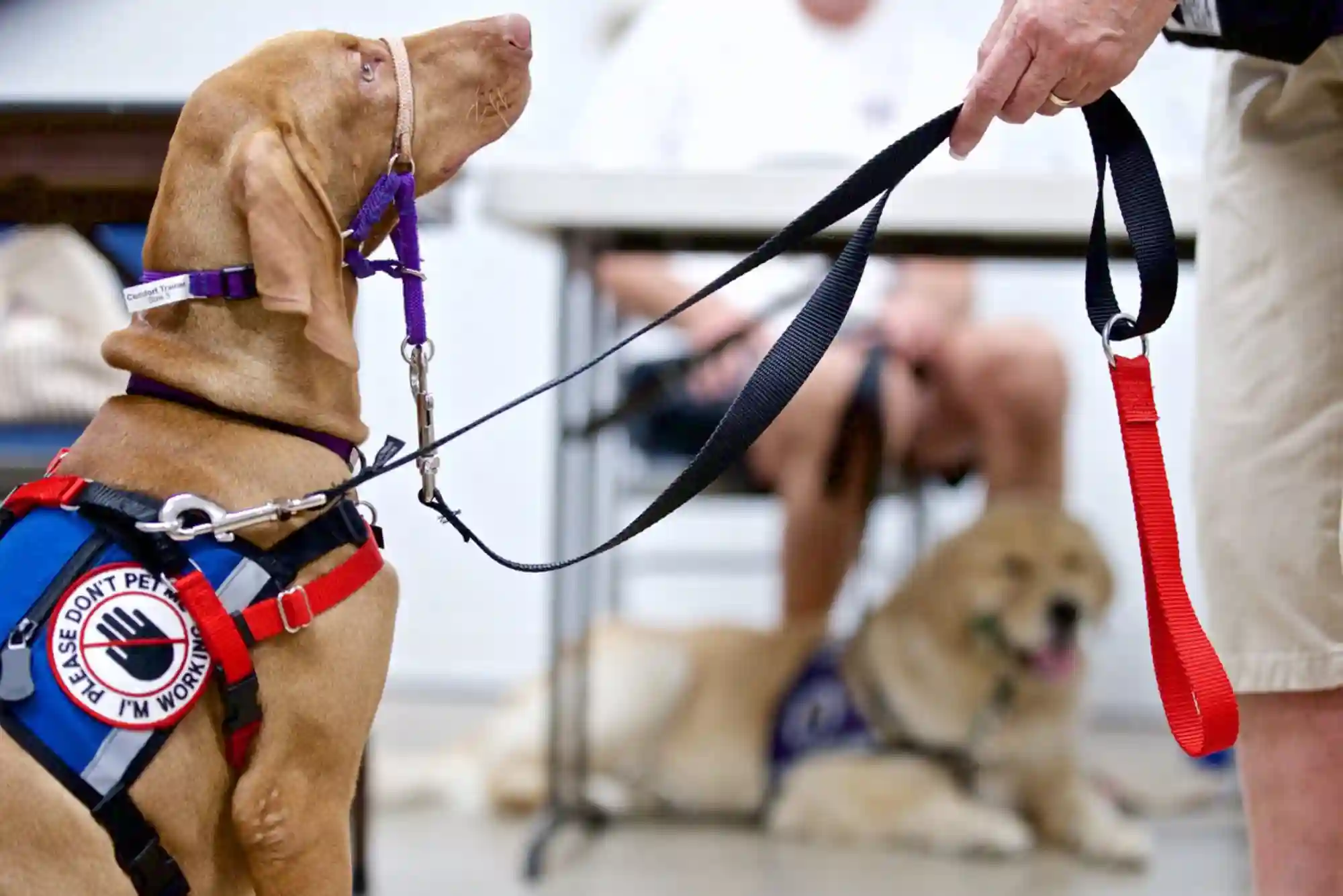
Service dogs are treated differently. They may accompany qualified passengers under applicable accessibility requirements. Owners should understand the distinction between a household pet and a trained service animal before traveling.
Booking an Amtrak Journey With a Pet
Pet reservations should be made as early as possible. Even when seats are available, the pet allowance may already be full. Travelers should also confirm the specific route’s eligibility before arriving at the station.
A comfortable carrier can make a significant difference. The animal should be able to remain safely inside it throughout the trip. Before traveling, allow the pet to spend time inside the carrier at home.
Eurostar Pet Travel Policies
Eurostar has historically applied different animal rules depending on the route. This is particularly important because Eurostar operates international services connecting destinations across different countries.
On certain Eurostar routes, ordinary pets may not be accepted. Assistance dogs and guide dogs are handled under separate accessibility arrangements. Therefore, travelers should never assume that a pet-friendly domestic rail policy also applies to an international Eurostar journey.
The rules can also differ depending on the destination. A journey involving the United Kingdom and continental Europe may have different requirements from travel within mainland Europe.
Can You Take a Dog on Eurostar?
Whether a dog can travel depends on the specific Eurostar route and the animal’s status. Ordinary pets and recognized assistance dogs are not necessarily governed by the same rules.
Travelers should check the current Eurostar conditions before purchasing tickets. This is especially important for journeys involving border controls, because animal entry requirements can exist independently of railway policies.
Pet owners should also check destination-country requirements. A railway operator’s permission to carry an animal does not automatically satisfy immigration, health, vaccination, or identification rules.
UK Rail Pet Policies Explained
UK rail travel is generally more accommodating toward pets than many international rail services. Many UK train operators allow dogs, cats, and other small domestic animals to travel with passengers.
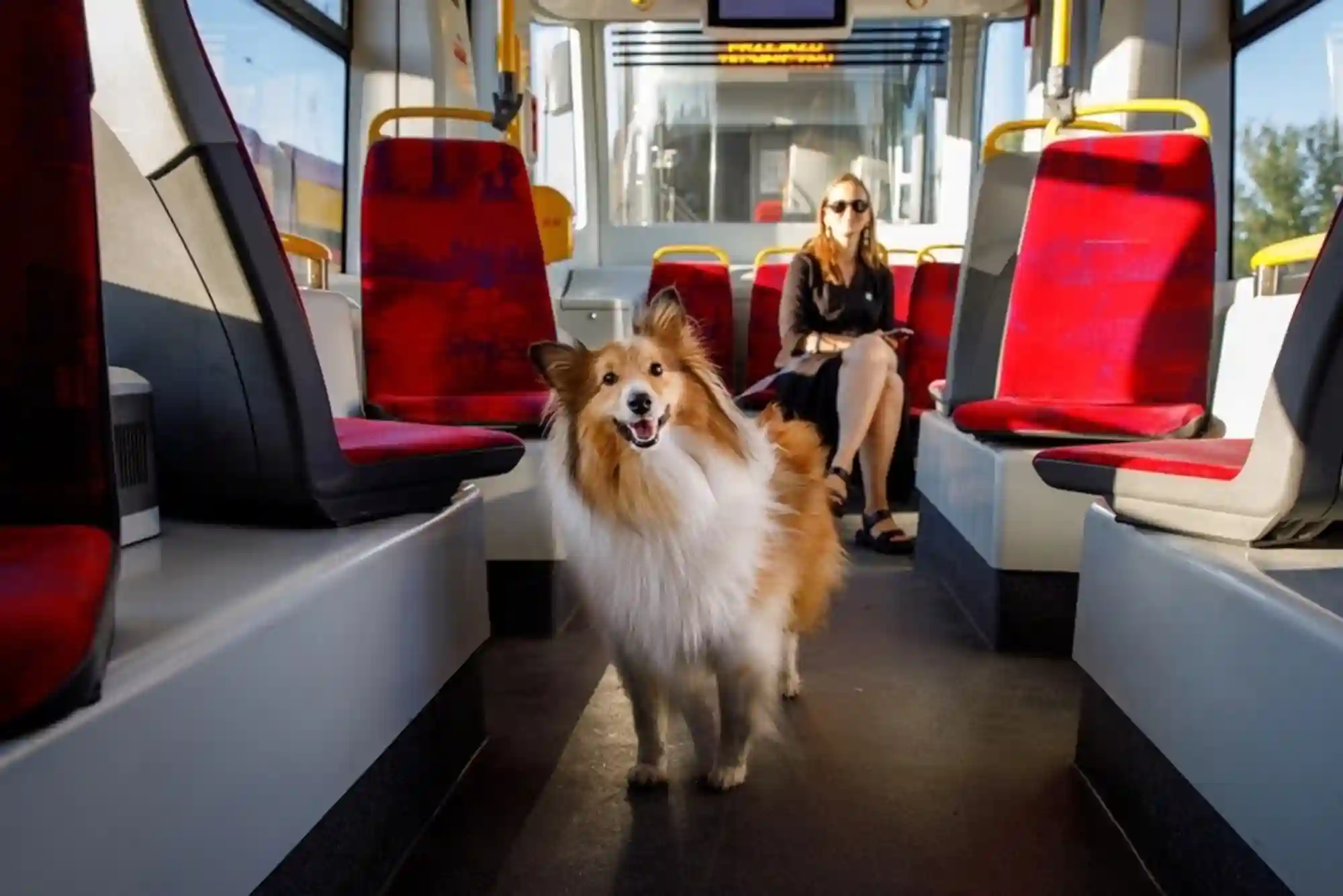
However, conditions can apply. Dogs may need to remain on a lead, while smaller animals are commonly expected to travel in suitable containers. Operators can also restrict animals from certain seating areas.
The UK’s National Rail network includes numerous train operating companies. As a result, passengers should check the policy of the specific operator running their service.
Traveling With Dogs on UK Trains
Dogs can generally travel on many UK trains when accompanied by their owners. Owners are responsible for keeping dogs under control and preventing them from causing inconvenience to other passengers.
A lead is important for safety, particularly when moving through stations. A dog that becomes anxious around crowds may also benefit from additional preparation before a busy journey.
Owners should consider traveling outside peak periods when possible. Quieter trains can provide more space and reduce stimulation for nervous animals.
Traveling With Cats and Small Pets
Cats and smaller pets are often easier to transport by rail. A secure carrier helps prevent escapes and protects the animal from crowded platforms.
The carrier should have adequate ventilation and enough room for the animal to sit or turn comfortably. It should also be secure enough to withstand movement during boarding and the journey.
For longer journeys, owners should plan how the animal will receive water. A familiar blanket or item carrying the owner’s scent can also help reduce anxiety.
Assistance Dogs and Ordinary Pets Are Different
One of the most important points in pet-friendly train travel is understanding the difference between ordinary pets and assistance dogs.
Assistance dogs are trained to perform tasks for people with disabilities. They may therefore have access rights that do not apply to ordinary household pets.
An emotional support animal is not automatically treated as an assistance or service dog under every country’s transportation rules. The legal definitions vary between jurisdictions.
Travelers should therefore use the railway’s official accessibility guidance when traveling with an assistance dog. Carrying appropriate documentation may also help avoid confusion, although requirements differ between operators and countries.
Preparing Your Pet for Train Travel
Good preparation can make train travel significantly easier. Start by introducing your pet to its carrier well before departure. Short practice sessions can help the animal associate the carrier with safe experiences.
For dogs traveling outside a carrier where permitted, practice calm behavior around crowds. Stations can be noisy, busy, and unfamiliar. Escalators, announcements, luggage, and other passengers may create additional distractions.
Feeding should also be considered carefully. A large meal immediately before departure may cause discomfort. Instead, maintain a familiar feeding routine and avoid sudden dietary changes.
Water is particularly important during longer journeys. However, owners should balance hydration with the availability of appropriate toilet opportunities.
What Should You Check Before Departure?
Before starting your journey, confirm the railway operator’s current pet policy. Rules can change, and different routes can have different conditions.
Check whether your specific train accepts pets. Then confirm carrier dimensions, booking requirements, fees, and restrictions. If traveling internationally, separately verify the destination’s animal-entry requirements.
It is also useful to check station arrangements. Some stations are extremely busy, while others may have limited facilities for passengers traveling with animals.
For international journeys, allow additional time for border and document checks. Your pet may need identification, vaccinations, health documentation, or other legally required paperwork.
Making the Journey Comfortable for Your Pet
Comfort should remain a priority throughout the journey. Keep your pet secure and avoid unnecessary handling in crowded areas.
If your pet becomes nervous, remain calm and maintain a familiar routine. Speaking quietly can provide reassurance. Avoid forcing interaction with strangers or other animals.
For dogs, a short walk before boarding can help release excess energy. However, avoid exhausting the animal immediately before a long trip.
Owners should also monitor temperature and ventilation. A carrier should never be left in a location where the animal could become dangerously hot or cold.
Common Mistakes to Avoid
One common mistake is assuming that every train company follows the same rules. Amtrak, Eurostar, and UK rail operators have different requirements. A policy that works for one journey may not apply to another.
Another mistake is booking the passenger ticket without checking pet availability. Some services have limited pet spaces. Therefore, travelers should arrange the pet portion of the journey at the same time.
Travelers can also overlook international entry regulations. Railway permission and national animal-import rules are separate matters.
Finally, avoid waiting until the day of departure to introduce your pet to its carrier. Familiarity can make the experience considerably less stressful.
Pet-Friendly Train Travel: Amtrak, Eurostar, and UK Rail Policies Explained
The biggest lesson from Pet-Friendly Train Travel: Amtrak, Eurostar, and UK Rail Policies Explained is that there is no single international pet-travel rule.
Amtrak generally provides options for eligible small pets traveling in carriers. Eurostar rules depend strongly on the route and distinguish ordinary pets from assistance dogs. UK rail services commonly allow pets, although individual operators can impose specific conditions.
Because policies can change, always verify the current requirements directly with the relevant railway before departure. This simple step can help you avoid unexpected problems at the station.
Frequently Asked Questions
Can I take my dog on a train in the UK?
Yes, many UK train services allow dogs to travel with their owners. Conditions can vary between operators. Dogs may need to remain under control and may be subject to restrictions in certain areas.
Can I take a cat on Amtrak?
Amtrak permits small cats on eligible services when they meet the company’s pet-travel requirements. The cat generally needs to remain inside an approved carrier throughout the journey.
Are pets allowed on Eurostar?
Eurostar pet rules depend on the specific route and service. Ordinary pets may face restrictions, while recognized assistance dogs are handled under separate arrangements. Always check the current rules for your exact journey.
Do dogs need tickets on UK trains?
Rules concerning pet fares vary between UK operators. Some services allow pets without a separate passenger ticket, while other conditions can apply. Check the operator before traveling.
Can an emotional support dog travel on a train?
An emotional support animal may not have the same transportation rights as a recognized assistance dog. Requirements differ by country and operator. Check the railway’s accessibility and animal policies before booking.
What should I bring when traveling by train with a pet?
Bring the required carrier or lead, water, waste supplies, identification, and any required documentation. For longer journeys, familiar bedding can also make your pet more comfortable.
Conclusion
Pet-friendly train travel can be a practical and enjoyable option when the journey is properly planned. The key is understanding the exact rules for your railway, route, and animal type.