
Introduction
Seoul, the vibrant capital of South Korea, is not just known for its bustling city life, skyscrapers, and cultural landmarks. It is also a gateway to stunning natural landscapes, where mountains, forests, and serene trails offer an escape from urban chaos. Hiking near Seoul has become increasingly popular among locals and tourists, blending physical activity, scenic views, and cultural experiences. Whether you are a seasoned hiker or just starting, this trail guide will help you explore the best routes, understand distances, and provide essential tips for a safe and enjoyable hike.
Why Hike Near Seoul
Hiking near Seoul is more than a leisure activity; it is an experience that combines fitness, mindfulness, and exploration. The surrounding mountains are accessible via public transportation, offering a quick retreat from the busy city. The trails vary in difficulty, accommodating beginners and advanced hikers. Beyond physical benefits, hiking allows you to witness South Korea’s rich seasonal changes — from cherry blossoms in spring to colorful foliage in autumn. Many trails also host historical temples, cultural monuments, and panoramic viewpoints that are perfect for photography enthusiasts. Hiking near Seoul connects you to nature, history, and local culture in a unique way.
Popular Hiking Routes Around Seoul
Bukhansan National Park
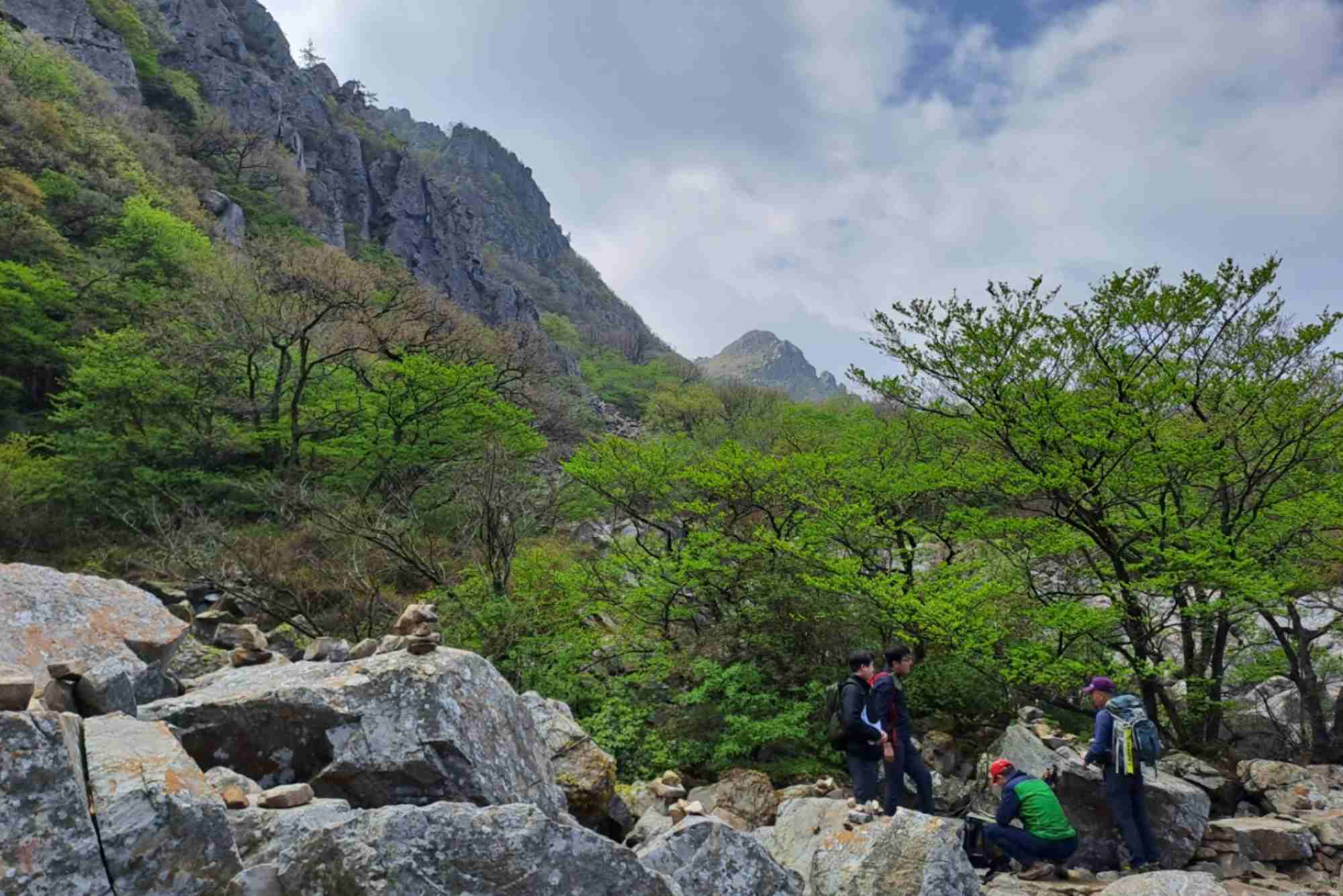
Bukhansan National Park is arguably the most famous hiking destination near Seoul. The park is known for its granite peaks, lush forests, and historic fortresses. The trails vary in difficulty, from moderate paths suitable for beginners to challenging climbs for experienced hikers. Popular routes include Baegundae Peak, which offers panoramic views of the city, and the Dobongsan trail, which features rock formations and scenic waterfalls. A hike to Baegundae typically takes around 4 to 6 hours round-trip, covering approximately 8 kilometers. The park is well-maintained with clear signposts, making it accessible for first-time visitors.
Inwangsan Mountain
Inwangsan is ideal for those seeking a shorter hike with rewarding views. The trail is steep but short, usually completed within 2 hours. From the summit, hikers can enjoy stunning vistas of central Seoul, including Gyeongbokgung Palace and Namsan Tower. Inwangsan is also culturally significant, with shamanistic shrines and ancient fortress walls lining the path. This hike is particularly popular at sunset when the city lights begin to twinkle below.
Gwanaksan Mountain
Gwanaksan offers a more rugged experience for adventurous hikers. The trails are steep and rocky, demanding a higher level of fitness and proper footwear. Hikers are rewarded with spectacular views of Seoul and surrounding provinces. The route to the peak usually takes around 3 to 5 hours, depending on your pace. Along the way, you will encounter Buddhist temples and serene resting spots, providing a peaceful contrast to the challenging climb. Gwanaksan’s proximity to Seoul makes it a favorite for locals looking for a day-long adventure.
Dobongsan and Suraksan
Dobongsan and Suraksan are part of the northern Seoul mountain ranges and are popular for their scenic diversity. Dobongsan features massive rock cliffs and hidden valleys, while Suraksan is known for its rugged peaks and streams. Both mountains offer trails ranging from 5 to 10 kilometers, accommodating various skill levels. These trails are well-marked, but hikers should carry a map or use navigation apps for safety. Spring and autumn are the best seasons for these hikes, providing ideal weather and colorful landscapes.
Tips for Hiking Near Seoul
Plan Your Route
Before setting out, research the trail’s length, difficulty, and estimated time. Knowing the terrain helps you pack appropriately and avoid unexpected fatigue. Check local transportation options as many trails are accessible by subway or bus. Planning your start time is also crucial, especially for longer hikes, to ensure you finish before sunset.
Wear Appropriate Gear
Proper footwear is essential for rocky or slippery trails. Lightweight, breathable clothing is recommended in summer, while layered clothing is suitable for winter hikes. Bring a hat, sunglasses, and sunscreen to protect against sun exposure. Hiking poles can help reduce strain on your knees, particularly on steep or uneven paths.
Carry Essentials
Pack a small backpack with water, snacks, a first-aid kit, and a fully charged phone. Hydration is critical, especially during longer hikes. Energy-boosting snacks such as nuts, fruit, or granola bars help maintain stamina. For safety, inform someone of your hiking plan or hike with a friend.
Respect Nature and Culture
Seoul’s trails are surrounded by natural habitats and historic sites. Respect local rules, avoid littering, and follow trail guidelines. Many trails pass by temples and shrines, so maintain a respectful distance and avoid loud noises. These small gestures ensure a positive experience for both hikers and locals.
Seasonal Considerations
Each season offers a unique hiking experience. Spring showcases blooming flowers and mild temperatures, while summer trails may be lush but humid. Autumn is ideal for vibrant foliage and cooler weather. Winter trails require caution as icy conditions may occur. Check the forecast before heading out to ensure safety.
Benefits of Hiking Near Seoul
Hiking near Seoul is not only a physical activity but also a mental retreat. Regular hiking improves cardiovascular health, strengthens muscles, and enhances flexibility. Spending time in nature reduces stress, boosts mood, and promotes mental clarity. Socially, hiking is an opportunity to connect with fellow hikers or enjoy quality time with friends and family. Beyond these benefits, exploring Seoul’s trails introduces hikers to cultural heritage sites and stunning natural landscapes that remain hidden from typical tourist paths.
Insider Tips for a Better Hiking Experience
Experienced hikers recommend starting early to avoid crowds, especially on popular weekends. Using navigation apps with offline maps ensures you stay on track even in remote areas. Carrying a lightweight rain jacket can be a lifesaver during sudden showers. For photography enthusiasts, sunrise and sunset offer the best lighting for capturing panoramic views. Joining local hiking clubs or online hiking communities can also provide insights into lesser-known trails and seasonal events.
Safety Tips
Safety should always be a priority. Stick to marked trails, avoid risky shortcuts, and be cautious around steep cliffs. If hiking alone, inform someone about your route and expected return time. Carrying a small first-aid kit is advisable for minor injuries. Check trail conditions before visiting, especially after heavy rain or snow. Mobile connectivity is generally good near Seoul, but remote areas may have limited service. Following these precautions ensures a safe and enjoyable experience.
Best Times to Hike Near Seoul
The ideal times for hiking near Seoul are spring (March to May) and autumn (September to November). Spring offers comfortable temperatures and blooming landscapes. Autumn features cooler weather and vibrant foliage, creating picturesque scenery. Summer hikes are feasible but require early starts to avoid heat and humidity. Winter hikes are possible with proper gear, but icy conditions demand extra caution. Hiking in these optimal seasons enhances both safety and enjoyment.
Cultural Highlights Along the Trails
Many trails around Seoul offer more than natural beauty. Bukhansan, for instance, hosts ancient fortress walls dating back to the Joseon Dynasty. Inwangsan features shamanistic shrines, providing insight into Korea’s spiritual traditions. Temples along Gwanaksan and Dobongsan allow hikers to experience local architecture and religious practices. Engaging with these cultural elements adds depth to the hiking experience, making each trail more memorable.Hiking near Seoul offers a perfect combination of nature, fitness, and culture. With diverse trails ranging from gentle paths to challenging peaks, hikers of all levels can find their ideal route. Planning, proper gear, and safety precautions enhance the experience, while seasonal awareness allows you to witness the best landscapes. Whether you seek adventure, tranquility, or cultural exploration, Seoul’s trails promise an unforgettable experience. Start planning your next hike today and discover the beauty just beyond the city limits. For more travel tips and hiking guides, check out Travels Flax.
FAQs
What is the easiest hike near Seoul for beginners?
Inwangsan Mountain is perfect for beginners. It’s short, steep, and offers panoramic views of the city.
How long does it take to hike Bukhansan?
A hike to Baegundae Peak usually takes 4 to 6 hours round-trip, depending on your pace and trail choice.
Are the trails accessible by public transport?
Yes, most popular hiking trails near Seoul are accessible by subway or bus, making day trips convenient.
What is the best season for hiking near Seoul?
Spring and autumn are ideal due to mild temperatures and vibrant natural scenery. Summer can be hot, and winter requires caution for icy conditions.
Do I need a guide for hiking in Seoul?
Guides are not necessary for marked trails, but joining local hiking groups or using navigation apps can enhance the experience.
Is hiking near Seoul safe for solo travelers?
Yes, trails are generally safe, but informing someone about your route, carrying essentials, and sticking to marked paths is recommended.