
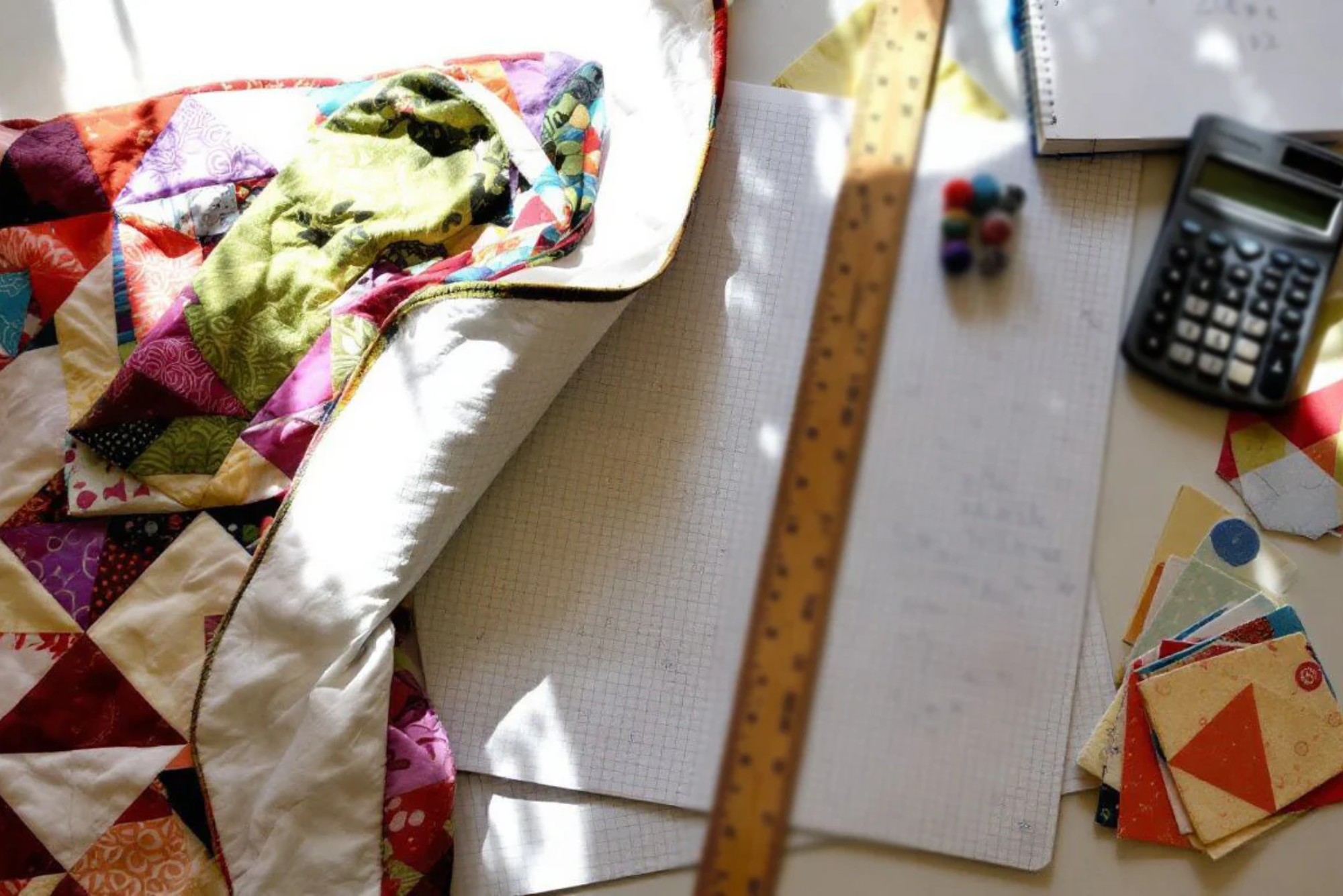
Textile shrinkage is a critical factor in the manufacturing and quality control of fabrics. Even minor miscalculations can result in wasted material, customer dissatisfaction, or costly production errors. Using a Textile shrinkage calculator can simplify the process, but mistakes still happen when the right techniques or regional factors are ignored. In Pakistan, where the textile industry contributes over 8% to GDP and employs millions, mastering shrinkage calculations is essential for both large-scale factories and small startups.
Understanding Textile Shrinkage
Quick Answer: Textile shrinkage refers to the reduction in fabric dimensions after washing or finishing processes.
Textile shrinkage occurs naturally due to the relaxation of fibers, tension release, and washing methods. Common types include:
-
Lengthwise shrinkage: Reduction along the fabric’s warp direction.
-
Widthwise shrinkage: Reduction along the weft direction.
-
Bi-directional shrinkage: A combination of both, often seen in blended fabrics.

According to the Pakistan Textile Exporters Association (PTEA), accurate shrinkage calculations reduce material wastage by up to 12%, highlighting the importance of precision.
Common Mistakes in Shrinkage Calculations
Quick Answer: Errors often stem from improper measurements, incorrect units, or ignoring fabric properties.
-
Measuring only one section of fabric instead of multiple points.
-
Confusing pre-wash and post-wash dimensions.
-
Ignoring environmental factors such as humidity in Lahore or Karachi.
-
Not considering fiber type: cotton, wool, and synthetic fibers behave differently.
Expert textile consultant Aisha Khan notes, “Many small manufacturers overlook shrinkage allowances, leading to costly reworks. Using a textile shrinkage calculator correctly can eliminate guesswork.”
Choosing the Right Textile Shrinkage Calculator
Quick Answer: Select a calculator compatible with your fabric type and production scale.
When exploring digital tools, ensure the calculator:
-
Supports multiple units (cm, inches).
-
Allows batch measurements for large rolls.
-
Includes correction factors for regional washing methods.
You can Explore Needs Calculator official site for reliable, user-friendly options widely adopted in Pakistan and UAE textile hubs.
Step-by-Step Use of a Textile Shrinkage Calculator
Quick Answer: Following structured steps ensures accurate results every time.
-
Measure fabric pre-wash across several points.
-
Wash or steam the sample as per intended production methods.
-
Measure post-wash dimensions carefully.
-
Input values into the calculator.
-
Review the shrinkage percentage and adjust your production plan.
Practical example: A 30-meter cotton roll may shrink by 2% in width. Calculating this before cutting ensures fabric is used efficiently.
Fabric Types and Regional Variations
Quick Answer: Different fibers behave uniquely, especially under local climatic conditions.
-
Cotton: Highly susceptible to shrinkage; common in Faisalabad mills.
-
Wool: Shrinks more in hot water; less predictable in humid Karachi climates.
-
Polyester/Synthetic: Minimal shrinkage but sensitive to heat.
Government initiatives like the Textile Innovation Center in Punjab provide free training for youth to learn regional shrinkage patterns and advanced calculation techniques.
Advanced Tips for Professionals
Quick Answer: Combining manual checks with digital calculators reduces errors significantly.
-
Always measure multiple fabric samples.
-
Factor in fabric finishing, dyeing, and washing methods.
-
Record and compare shrinkage over time to identify patterns.
-
Use a combination of regional knowledge and digital tools for precision.
Many UAE factories, especially in Dubai and Sharjah, use these hybrid methods to maintain export-quality standards while reducing waste.
Integrating Technology with Local Expertise
Quick Answer: Tech tools are most effective when complemented by human expertise.
While calculators simplify math, experienced technicians understand:
-
Local water mineral content affecting shrinkage.
-
Seasonal humidity changes in Pakistan and UAE affecting cotton rolls.
-
Handling and storage techniques to prevent additional shrinkage.
Investing in staff training or government-backed programs in Karachi, Lahore, and UAE free zones ensures your shrinkage calculations are reliable and consistent.
Reducing Production Waste
Quick Answer: Accurate shrinkage calculations directly lower fabric wastage.
-
Calculate allowances for cutting patterns.
-
Adjust bulk orders based on predicted shrinkage.
-
Train staff to follow standardized measurement methods.
According to a report by the Pakistan Textile Exporters Association, factories using precise shrinkage calculations save up to PKR 5 million annually in material costs.
UAE Episode: Learning from Regional Leaders
Quick Answer: Observing UAE textile practices enhances efficiency for Pakistani manufacturers.
UAE textile factories in Dubai and Sharjah have integrated digital shrinkage calculators with machine learning to predict shrinkage based on fiber, batch, and environmental data. Pakistani manufacturers can adopt similar approaches to enhance competitiveness in global markets.
FAQs About Textile Shrinkage Calculators
1. What is the ideal sample size for shrinkage measurement?
A minimum of 30–50 cm fabric strips across multiple points ensures accurate readings.
2. Can I use the same calculator for all fabric types?
Not always. Ensure your tool allows fiber-specific corrections for cotton, wool, and synthetics.
3. How often should shrinkage be measured in production?
Every batch should be tested to account for variations in water, humidity, and dyeing methods.
4. Are there free online shrinkage calculators?
Yes, platforms like Needs Calculator provide reliable free tools suitable for Pakistan and UAE.
5. Does fabric finish affect shrinkage?
Yes. Treatments like mercerization reduce cotton shrinkage, while steam pressing can increase it.
6. Can shrinkage calculators help in cost estimation?
Absolutely. Knowing shrinkage percentages allows accurate fabric ordering and minimizes wastage costs.
7. How do environmental factors influence shrinkage?
High humidity or temperature changes can increase shrinkage; always account for local conditions in Karachi, Lahore, or Dubai.
Final Thought
As a textile professional based in Pakistan, I’ve seen how even minor shrinkage miscalculations can escalate costs and compromise quality. Leveraging a textile shrinkage calculator combined with local expertise, government-supported training, and insights from UAE production methods can make your processes more precise and profitable. Partnering with also opens opportunities for integrating smart factory solutions that adapt to regional needs, ensuring your fabrics meet both local and international standards.
Related Reading: Georgia by Car: The Most Beautiful Panoramic Roads in the Country
Related Reading: Essential Tips for Choosing the Best Movers for Your Next Move
Related Reading: Why We Recommend These Cheap Web Hosting And Domain Name Solutions