
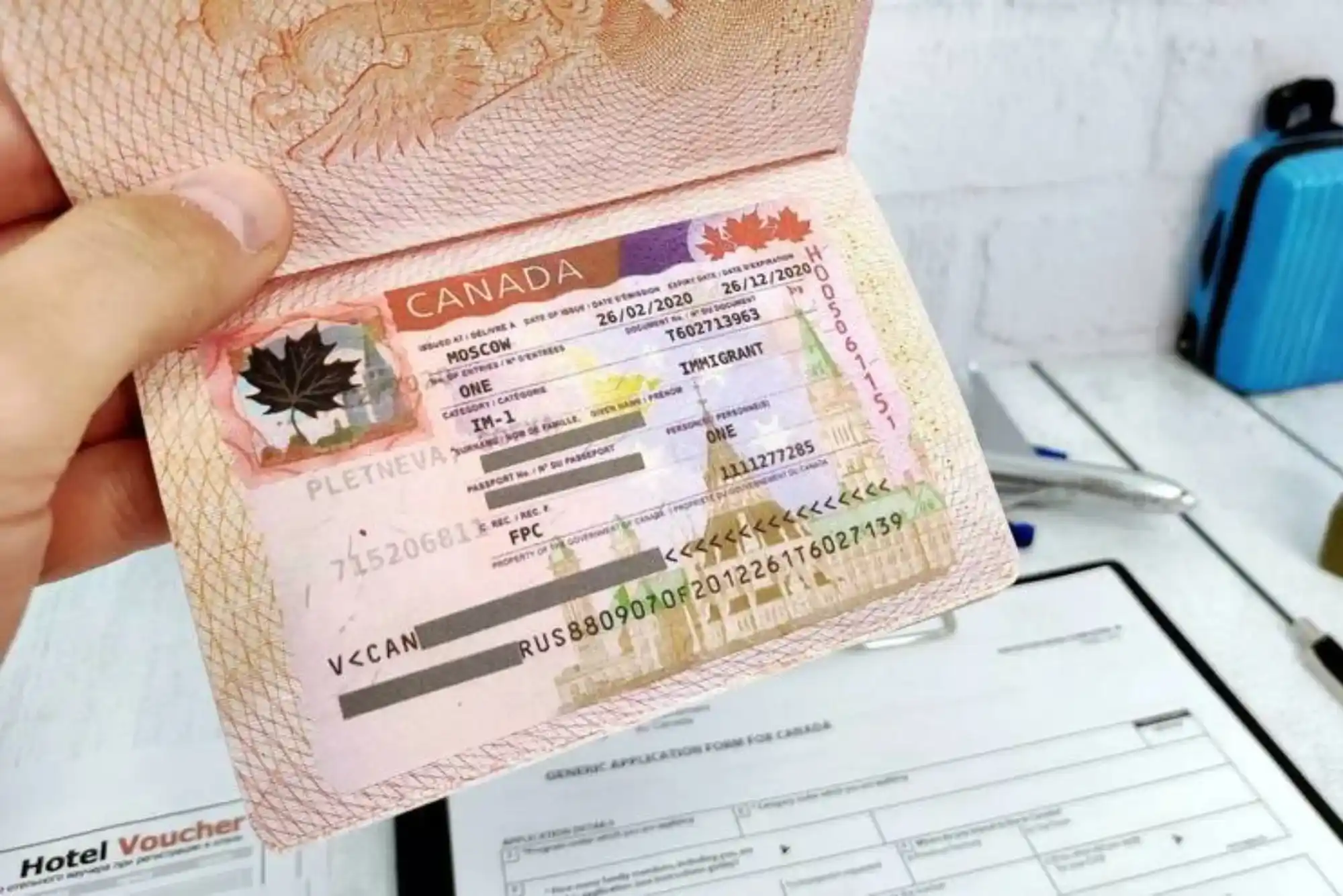
Understanding the Structure of Canadian Visa Fees
The Canadian visa system is structured in a way that separates base application fees from additional mandatory and optional charges. This structure allows flexibility depending on the type of visa, but it also creates confusion for first-time applicants who may not fully understand what they are required to pay.
In 2026, visa pricing remains relatively stable compared to previous years, but small adjustments and currency fluctuations can still influence the total cost. For example, a standard visitor visa requires a base application fee, but applicants must also pay for biometric data collection, which includes fingerprints and photographs. These charges are not optional and must be completed before the application can proceed.
For those planning to explore Canadian cities, lifestyle costs should also be considered. Areas such as Vancouver offer premium experiences, and activities like shopping near Stanley Park can give a realistic idea of everyday spending in major urban centers.
Visitor Visa Costs in 2026
The visitor visa, often referred to as a tourist visa, is the most commonly applied visa category. It is designed for short-term stays, including tourism, family visits, and business travel. The application fee for this visa remains one of the most affordable among all Canadian visa types. However, the biometric fee adds a mandatory cost that applicants must include in their budget.

Although the official fee appears modest, applicants frequently overlook additional expenses such as document preparation, travel history verification, and financial proof documentation. These elements can increase the overall cost significantly, especially for individuals applying from countries where documentation services are not easily accessible.
Study Permit Costs for International Students
Canada is widely recognized as a top destination for international education, attracting students from across the globe. The study permit serves as the gateway for academic opportunities, but it also requires careful financial planning. The application fee for a study permit is higher than that of a visitor visa, reflecting the long-term nature of the stay.
Students must also consider the cost of obtaining a letter of acceptance from a recognized institution, proof of financial support, and, in some cases, language proficiency tests. While these are not direct visa fees, they form an essential part of the overall cost associated with studying in Canada.
For those researching global travel and relocation insights, resources like destination guides can provide valuable context about living conditions and expectations in different regions.
Work Permit Expenses and Financial Requirements
Work permits are essential for individuals seeking employment opportunities in Canada. The cost structure for work permits varies depending on whether the applicant is applying for a standard or open work permit. In 2026, these fees include both the base application cost and additional charges for specific categories.
Applicants must also factor in employer-related requirements, such as job offer validation and labor market assessments. While these costs are sometimes covered by employers, they can still indirectly affect the applicant’s financial planning.
Understanding employment conditions and contracts is equally important when planning a move abroad. Articles such as employment contract insights can help applicants compare global job structures and expectations.
Professional Pricing Table for 2026
| Visa Category | Base Application Fee (CAD) | Biometric Charges (CAD) | Estimated Total Cost (CAD) |
|---|---|---|---|
| Visitor Visa | 100 | 85 | 185 |
| Study Permit | 150 | 85 | 235 |
| Work Permit | 155 | 85 | 240 |
| Open Work Permit | 255 | 85 | 340 |
Hidden Costs That Increase the Total Expense
Beyond official fees, several hidden costs can significantly impact the total price of obtaining a Canadian visa. Medical examinations are often required, especially for long-term stays, and these tests must be conducted by approved physicians. The cost varies depending on location but remains a necessary step in the application process.
Police clearance certificates are another requirement that can add to the overall expense. These documents verify the applicant’s background and are mandatory in many cases. Additionally, translation services may be required for documents that are not in English or French, further increasing costs.
Applicants are encouraged to stay updated with official immigration information through reliable immigration resources to avoid unnecessary expenses caused by outdated or incorrect information.
Financial Planning for a Successful Application
Effective financial planning plays a crucial role in ensuring a smooth visa application process. Applicants should not only prepare for the direct costs but also set aside funds for unexpected expenses that may arise during the process. This includes reapplication fees in case of rejection, additional documentation requests, or extended processing times.
Understanding global pricing trends can also help applicants make informed decisions. Exploring broader insights from international price comparisons can provide a clearer picture of how Canada’s visa costs compare with other countries.
The Impact of Processing Time on Costs
Processing time is an often-overlooked factor that can influence the total cost of a visa. Delays may lead to additional expenses such as extended accommodation bookings, rescheduled travel plans, or even lost opportunities. While applicants cannot always control processing timelines, submitting complete and accurate documentation can help minimize delays.
In some cases, faster processing options may be available, but these can come at an additional cost. Applicants must carefully weigh the benefits against the financial implications before opting for expedited services.
Common Mistakes That Lead to Financial Loss
One of the most common mistakes applicants make is underestimating the total cost of the visa process. Many focus solely on the application fee and fail to account for additional expenses, leading to financial strain later on. Another frequent issue is submitting incomplete or incorrect documentation, which can result in application rejection and loss of fees.
Applicants should also avoid relying on unofficial sources for information, as this can lead to costly errors. Instead, they should focus on verified and reliable resources to ensure accuracy and efficiency throughout the process.
By understanding the full cost structure and planning accordingly, applicants can avoid unnecessary financial stress and improve their chances of a successful application. Whether you are traveling for leisure, pursuing education, or seeking career opportunities, being well-prepared financially is the foundation of a smooth and successful journey to Canada.